Bicol Tourism

MAKAON KITA!

The Bicol Food Trail

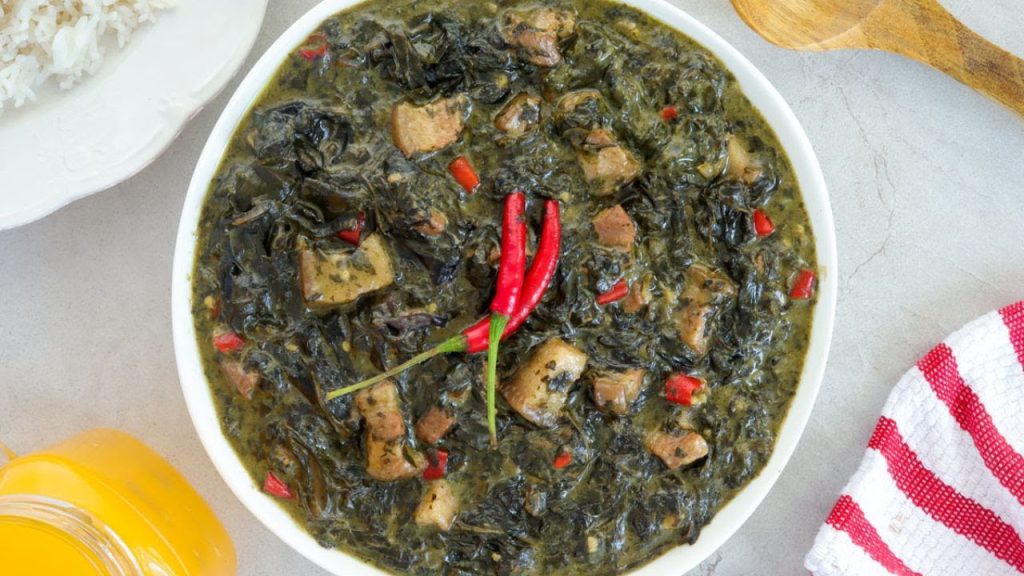
Laing

One of the most famous Bicolano cuisines, Laing is a coconut-milk based dish mixed with shredded gabi or taro leaves and siling labuyo, garlic, ginger, and sometimes, tanglad (lemongrass) and bagoong (shrimp paste).

Some versions have it garnished with fish, pork, meat, or chicken bits, but even without them, a well-made Laing can stand on its own.

While it’s best eaten with white rice, Laing, being creamy and light, has also become one of Bicolano’s go-to snacks or pulutan.

In fact, a laing pizza has also been made! This combination of a creamy Laing mixed with plenty of cheese is a definite must-try!

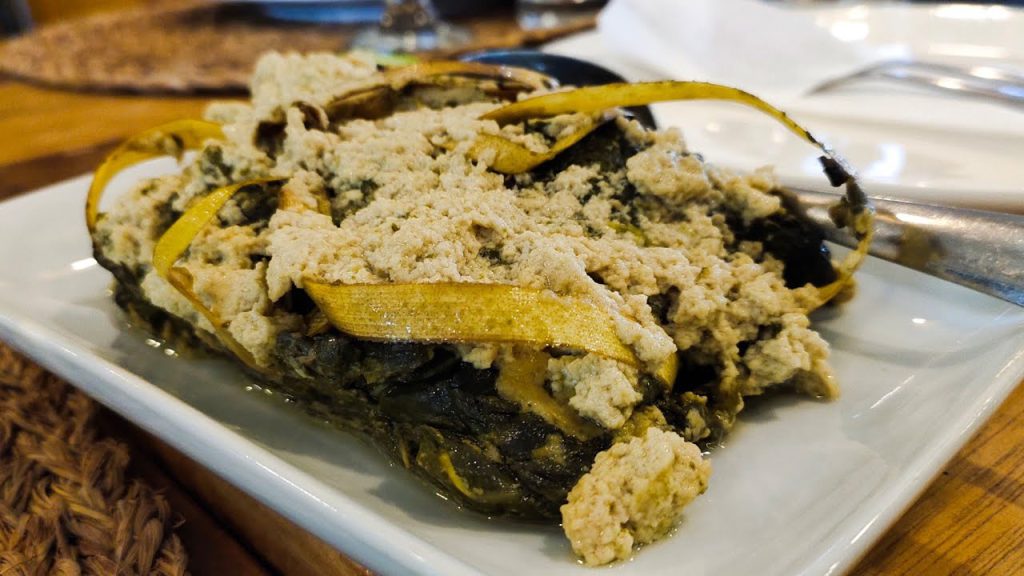
Pinangat

Almost similar to Laing, Pinangat is another coconut-milk based dish that non-Bicolanos should try. Gabi and banana or coconut leaves are wrapped around pork or fish to make a meat-veggie “pouch” that is slowly steamed in coconut milk, peppers, and spices.

This tender, tasty, and creamy dish tastes good when it’s freshly served and still piping hot. But trust us when we say that frozen Pinangat is a game-changer, too.

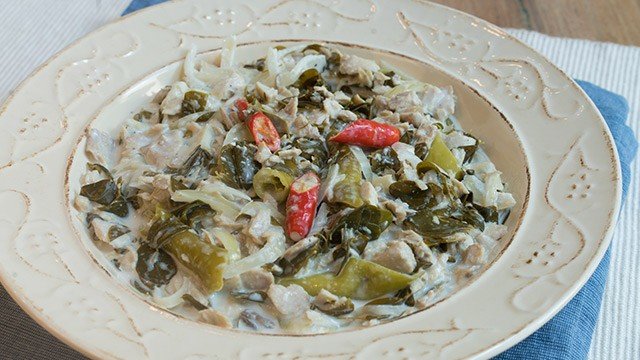
Kinunot

If you still can’t get enough of creamy dishes like Laing and Pinangat, then Bicol’s Kinunot will surely tickle your fancy.

This coconut cream-based dish is made with flaked padi (stingray), malunggay (moringa) leaves, siling labuyo, and coconut cream sauce. You may also find versions made with shark meat, crab, and other fish.

While it’s often treated as an appetizer, trust us that a perfectly made Kinunot can very well pass as a main dish

Pancit Bato

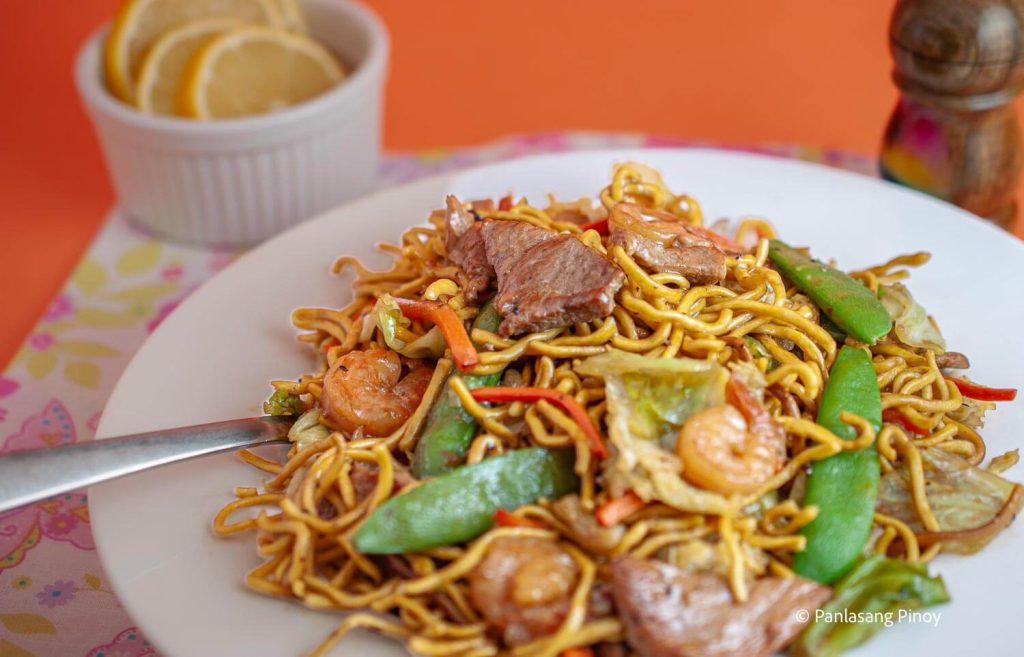
Like most places in the Philippines, Bicol also has their own Pancit dish. What makes Pancit Bato different is that the noodles, which originate from the town of Bato in Camarines Sur, are actually a bit thicker and firmer in bite.

It’s cooked like most pancit dishes, with chopped vegetables like cabbage, carrot, green beans, and the occasional addition of chicken liver, and pork. Sometimes, they’re also topped with dinuguan for extra flavor or served with broth.